
- What Are the Key Differences Between YouTube Shorts and Instagram Reels?
- What Are the Optimal Video Specifications for Each Platform?
- How Does Editing Workflow Differ for YouTube Shorts vs. Instagram Reels?
- What Are the Best Strategies for Maximizing Reach and Engagement?
- Why Should You Consider Professional Editing for Your Short-Form Content?
Published May 27, 2026 · 13 min read
Navigating the dynamic world of short-form video can be a challenge, especially when trying to optimize your content for different platforms. This ultimate YouTube Shorts vs. Instagram Reels editing guide will equip you with the knowledge and strategies to excel on both. Understanding the distinct requirements, audience behaviors, and algorithmic nuances of each platform is crucial for creating compelling content that truly resonates and achieves your marketing goals.
💡 Short-form video is no longer a trend; it’s a fundamental pillar of modern content strategy. Tailoring your edits for specific platforms like YouTube Shorts and Instagram Reels is paramount for maximizing reach and impact.
What Are the Key Differences Between YouTube Shorts and Instagram Reels?
While both YouTube Shorts and Instagram Reels focus on vertical, short-form video, their core differences lie in audience demographics, discovery mechanisms, monetization potential, and overall content strategy. YouTube Shorts often leverage existing channel subscribers and search intent, while Instagram Reels thrive on trend participation and social discovery within a feed-based environment.
Understanding these foundational differences is the first step in crafting an effective YouTube Shorts vs. Instagram Reels editing guide. YouTube, traditionally a long-form video platform, positions Shorts as a way to feed into longer content and grow your channel’s overall audience. Instagram, conversely, integrates Reels seamlessly into its social feed, emphasizing immediate engagement and viral trends. Our professional editing services at Motion Edges can help you tailor your content for optimal performance on each platform.
Audience Demographics & Intent
YouTube Shorts typically cater to a slightly broader and often younger audience, but with an underlying intent to discover more in-depth content. Viewers might use Shorts to find tutorials, product reviews, or educational snippets that lead them to longer videos on your channel. Instagram Reels, however, tend to attract a highly engaged, trend-savvy demographic looking for entertainment, lifestyle content, and quick updates from brands and creators they follow. The viewing intent on Instagram is generally more passive and discovery-oriented through algorithmic suggestions.
Content Lifespan & Discovery
YouTube Shorts benefit from YouTube’s powerful search engine and recommendation algorithm, giving them a potentially longer shelf life. A well-optimized Short can continue to be discovered weeks or even months after publishing. Instagram Reels, while capable of viral spikes, often have a shorter discovery window, heavily reliant on initial engagement and trending audio or hashtags. Reels are designed for immediate impact and quick consumption, making timely content and trend participation crucial for visibility.

Optimizing content for both YouTube Shorts and Instagram Reels requires a nuanced approach.
What Are the Optimal Video Specifications for Each Platform?
Optimal video specifications for both YouTube Shorts and Instagram Reels generally involve a 9:16 aspect ratio with a 1080p resolution, ensuring high-quality vertical content. However, specific length limits, file sizes, and recommended codecs can vary slightly. Adhering to these technical guidelines is crucial for preventing quality degradation and ensuring your videos display correctly across devices.
While the core visual format of vertical video is consistent, overlooking the subtle differences in technical specifications can lead to frustrating re-renders or even rejection. Our team ensures your content always meets the precise technical requirements, allowing you to focus on the creative aspects of your YouTube Shorts vs. Instagram Reels editing guide strategy.
Aspect Ratio & Resolution
Both platforms strongly recommend a 9:16 aspect ratio (1080×1920 pixels) for vertical video, which fills the entire mobile screen. While other aspect ratios like 1:1 (square) or 4:5 are supported on Instagram Reels, they won’t maximize screen real estate or engagement. For YouTube Shorts, strictly stick to 9:16 to ensure your video is recognized as a Short and pushed to the Shorts feed. Always aim for a minimum resolution of 1080p (Full HD) to maintain crisp visual quality.
Length & File Size
YouTube Shorts can be up to 60 seconds long, including any audio from YouTube’s library. Instagram Reels can be up to 90 seconds. While both allow for slightly longer content, shorter, snappier videos often perform better. File size limits can also vary, though modern codecs like H.264 generally keep files manageable. It’s always best to aim for the smallest file size possible without compromising quality, as this aids in faster uploads and smoother playback for viewers.
| Specification | YouTube Shorts | Instagram Reels |
|---|---|---|
| Max Length | 60 seconds | 90 seconds |
| Aspect Ratio | 9:16 (Vertical) | 9:16 (Vertical) |
| Resolution | 1080x1920px (min) | 1080x1920px (min) |
| File Type | MP4 (H.264) | MP4 (H.264) |
| Captioning | Auto-captions, Manual | In-app captions, Manual |
✅ When exporting, use a universal vertical video preset (1080×1920, 30fps, H.264) as your baseline. Then, make minor adjustments for each platform’s specific length and file size requirements, ensuring optimal quality across the board.
How Does Editing Workflow Differ for YouTube Shorts vs. Instagram Reels?
Editing workflows for YouTube Shorts vs. Instagram Reels differ primarily in their emphasis on pacing, sound, and call-to-action strategies. Reels often demand faster cuts, trend-driven audio, and in-app effects, while Shorts benefit from a slightly more deliberate pace, strong storytelling elements, and a clear path to longer YouTube content. Adapting your editing approach to these nuances is key for maximizing viewer retention and engagement on each platform.
Our experience shows that a ‘one-size-fits-all’ approach to short-form video editing rarely yields the best results. Each platform’s algorithm and user base have specific preferences that dictate successful content. When you consider a YouTube Shorts vs. Instagram Reels editing guide, think about the native features and user expectations. For instance, see our portfolio for examples of how we adapt content for diverse platform needs.
Pacing and Engagement Hooks
Instagram Reels thrive on quick, attention-grabbing hooks within the first 1-2 seconds, often employing rapid cuts, dynamic camera movements, and trending sounds. The goal is to stop the scroll. YouTube Shorts, while still needing strong hooks, can sometimes accommodate a slightly more narrative or informative opening, especially if it sets up a valuable takeaway or a connection to a longer video. Both require a fast pace, but Reels lean into hyper-fast, almost chaotic energy, while Shorts can be more structured.
Sound & Music Strategy
Sound is arguably more critical for Instagram Reels, where trending audio often dictates virality. Using popular sounds from the Instagram music library can significantly boost discoverability. YouTube Shorts also benefit from trending audio, but original sound, voiceovers, and clear narration play a more prominent role, especially for educational or instructional content. Always consider copyright when using music; both platforms offer royalty-free libraries within their apps.
Text & Call-to-Action
Text overlays are essential for both, but their application varies. On Instagram Reels, text is often used for quick visual cues, punchlines, or to highlight key points in a fast-paced sequence. On YouTube Shorts, text can serve a more informative purpose, providing context, questions, or directing viewers to your main channel. Calls-to-action (CTAs) are also different: Reels often encourage comments, shares, or follows, while Shorts frequently prompt viewers to watch a related long-form video or subscribe.
- Define Your Goal. Before editing, clarify if the video aims for quick engagement (Reels) or driving traffic to longer content (Shorts). This dictates pacing and CTA.
- Craft a Strong Hook (1-3s). Regardless of platform, grab attention immediately. Use dynamic visuals, a bold statement, or intriguing question.
- Optimize Pacing. For Reels, aim for rapid cuts (every 1-2 seconds). For Shorts, allow slightly more breathing room if needed for narrative, but keep it snappy.
- Integrate Sound Wisely. Choose trending audio for Reels. For Shorts, consider original sound, voiceovers, or YouTube’s audio library, ensuring relevance.
- Design for Mobile. Ensure all text, graphics, and key visual elements are legible and visible within the 9:16 frame, even with UI overlays.
- Add Strategic Text Overlays. Use text for context, key takeaways, or to reinforce your message. Keep it concise and easy to read.
- Implement a Clear CTA. For Reels, encourage comments or shares. For Shorts, direct viewers to your main channel or a specific long-form video.
- Review & Refine. Watch your edit on a mobile device. Does it flow well? Is it engaging? Is the message clear?
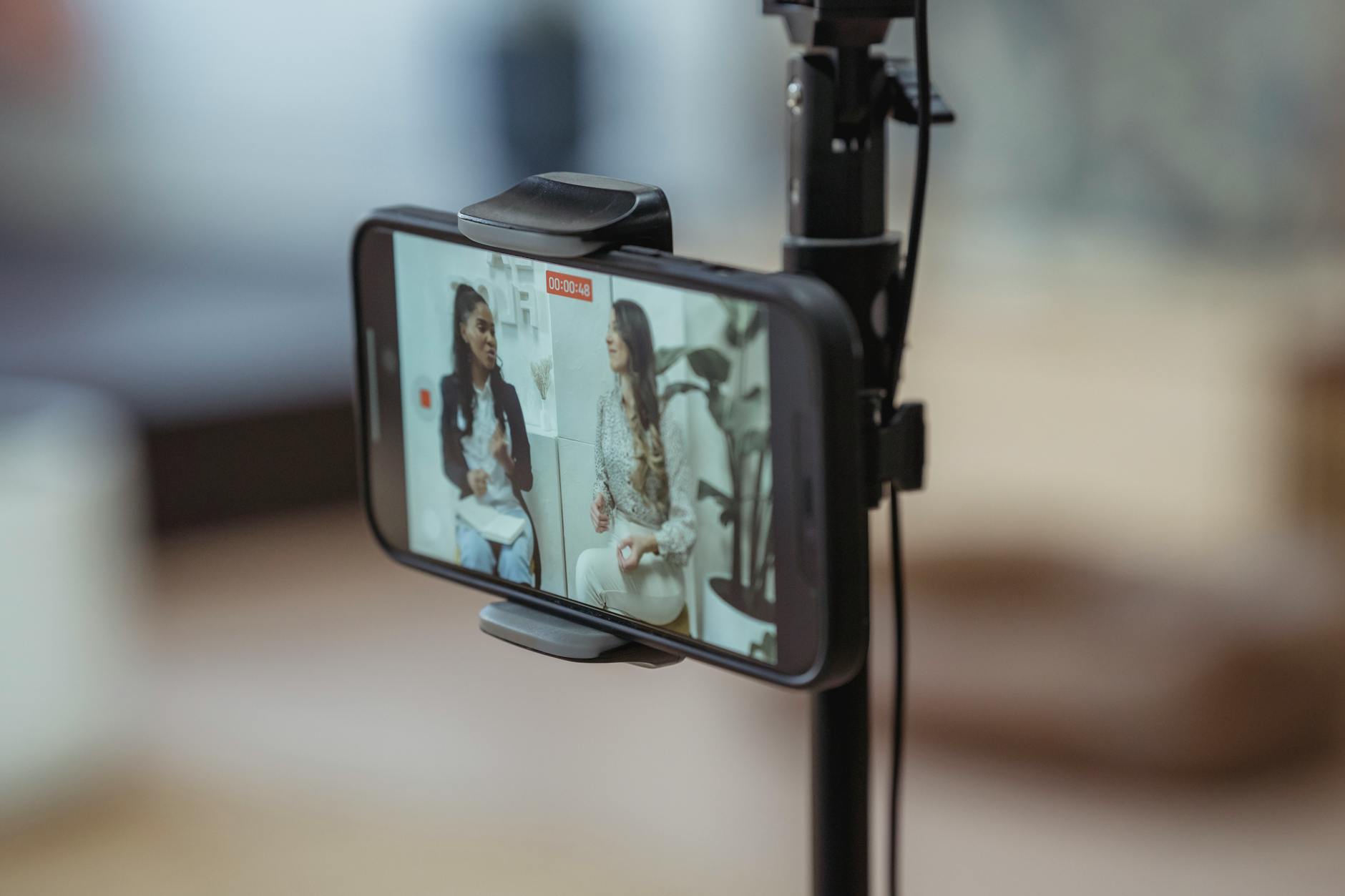
Effective editing for short-form video demands attention to platform-specific nuances and viewer behavior.
What Are the Best Strategies for Maximizing Reach and Engagement?
Maximizing reach and engagement for both YouTube Shorts and Instagram Reels involves a blend of creative content, strategic use of platform features, and consistent analysis of performance. Leveraging trending audio, relevant hashtags, compelling visual hooks, and interactive elements are universally effective strategies, but their application must be tailored to each platform’s unique algorithm and audience. This is where a detailed YouTube Shorts vs. Instagram Reels editing guide really shines.
At Motion Edges, we understand that getting eyes on your content is just as important as producing it. Our team constantly monitors algorithm updates and user behavior to refine our strategies for clients. This proactive approach ensures your content isn’t just well-edited, but also strategically positioned for maximum impact. When considering options for transparent pricing, remember that strategic optimization is built into our value.
Trending Elements & Hashtags
For Instagram Reels, actively participate in trending challenges and use popular audio. The ‘Reels tab’ often highlights what’s currently hot. For YouTube Shorts, while trends are important, relevant hashtags are paramount for discoverability through search and recommendations. Use a mix of broad and niche hashtags that accurately describe your content. Both platforms benefit from engaging captions that encourage interaction.
⚠️ A common mistake is using irrelevant trending audio or hashtags just for visibility. This can confuse algorithms, alienate your audience, and negatively impact your content’s long-term performance. Always ensure trends align with your brand and message.
Viewer Retention Techniques
Both platforms prioritize viewer retention. For Reels, this often means rapid cuts, unexpected twists, and satisfying loops. For Shorts, a slightly more structured narrative, clear value proposition, and a compelling reason to watch until the end (or click to a longer video) are crucial. Use visual cues, on-screen text, and dynamic transitions to keep viewers engaged. Experiment with different video lengths to find what resonates best with your specific audience.
Analytics & A/B Testing
Regularly review your analytics on both YouTube Studio and Instagram Insights. Pay attention to metrics like watch time, audience retention, reach, and engagement rate. A/B test different hooks, CTAs, and even content types to understand what performs best. This data-driven approach is invaluable for refining your YouTube Shorts vs. Instagram Reels editing guide strategy over time and making informed decisions about future content.
Why Should You Consider Professional Editing for Your Short-Form Content?
Considering professional editing for your short-form content is essential because it guarantees high-quality production, consistent brand messaging, and optimized performance across platforms, saving you valuable time and resources. Professional editors possess the expertise to craft visually compelling narratives that capture attention, meet technical specifications, and strategically drive engagement, ensuring your content stands out in a crowded digital landscape. This is a critical aspect often overlooked in a DIY YouTube Shorts vs. Instagram Reels editing guide.
In today’s fast-paced digital world, content quality directly reflects on your brand’s professionalism and authority. Our team at Motion Edges brings years of experience and a keen eye for detail to every project, ensuring your YouTube Shorts and Instagram Reels are not just good, but exceptional. We handle the complexities of editing, allowing you to focus on content creation and strategy. Don’t hesitate to get in touch with our team to discuss your specific needs.
Time and Resource Efficiency
Editing high-quality short-form video is time-consuming, requiring specific software proficiency and creative skills. Outsourcing to professionals frees up your internal team to focus on core business activities, content ideation, and marketing strategy. You gain access to expert-level skills and equipment without the overhead, making your content creation process significantly more efficient.
Brand Consistency & Quality
A professional editing team ensures that every piece of short-form content aligns with your brand’s visual identity, tone of voice, and overall messaging. This consistency builds brand recognition and trust with your audience. High-quality production values also convey professionalism and attention to detail, which are crucial for attracting and retaining viewers on competitive platforms like YouTube and Instagram.
Staying Ahead of the Competition
The sheer volume of short-form content means standing out is harder than ever. Professional editors bring creative flair, up-to-date knowledge of platform trends, and technical mastery to your projects. They can implement advanced motion graphics, seamless transitions, and impactful sound design that elevate your content above the competition, ensuring your YouTube Shorts vs. Instagram Reels editing guide strategy is executed flawlessly.
Can I use the exact same video for both YouTube Shorts and Instagram Reels?
While technically possible, it’s not recommended for optimal performance. Each platform has distinct algorithmic preferences, audience behaviors, and native features. It’s better to slightly re-edit your content, tailoring aspects like the hook, call-to-action, sound strategy, and text overlays to suit the specific platform for maximum engagement.
What’s the ideal length for a YouTube Short or Instagram Reel?
While YouTube Shorts can be up to 60 seconds and Instagram Reels up to 90 seconds, the ideal length is often shorter. Videos between 15-30 seconds frequently perform best, as they are easily digestible and encourage higher completion rates. The key is to convey your message concisely and engagingly.
How important is sound and music for short-form video?
Sound and music are critically important. For Instagram Reels, trending audio can significantly boost discoverability and engagement. For YouTube Shorts, relevant background music, original sound, and clear voiceovers are crucial. Always prioritize high-quality audio and ensure music choices align with your content’s tone and platform guidelines.
Should I add captions to my Shorts and Reels?
Yes, absolutely. Captions are vital for accessibility, allowing viewers to consume your content without sound. They also help reinforce your message and improve engagement, especially in noisy environments or for non-native speakers. Both platforms offer in-app captioning tools, or you can add them during the editing process.
Can I monetize content on both YouTube Shorts and Instagram Reels?
Yes, both platforms offer monetization opportunities. YouTube Shorts has a Shorts Fund and integrates with the YouTube Partner Program, allowing creators to earn ad revenue. Instagram Reels can be monetized through various brand partnerships, creator bonuses, and eventually ad revenue sharing. Strategies for each differ, so research platform-specific guidelines.
Mastering your YouTube Shorts vs. Instagram Reels editing guide strategy is no longer optional; it’s a necessity for any brand or creator looking to thrive in the digital space. By understanding the unique demands of each platform and tailoring your content accordingly, you can significantly boost your reach, engagement, and overall impact. Don’t let your valuable content get lost in the scroll; invest in strategic editing that sets you apart. Let Motion Edges help you craft compelling short-form videos that capture attention and drive results.
Ready to Elevate Your Video Content?
Motion Edges delivers professional video editing that drives engagement and growth. Our dedicated editors learn your style and deliver consistently polished content.
Related Services from Motion Edges
- Talking Head Video Editing in Houston — clean cuts, captions, and b-roll for YouTube creators
- Talking Head Video Editing in Los Angeles — 48-hour delivery, professional results
- View All Video Editing Services