Finding the right person to hire a video editor online can feel overwhelming when you’re staring at dozens of platforms, thousands of profiles, and price ranges that span from $5 to $500 per video. Whether you’re a YouTuber trying to scale your channel, a business owner needing promotional content, or a creator drowning in footage, the process doesn’t have to be complicated. This guide breaks down exactly how to find skilled editors quickly, what to look for, and how to avoid the common mistakes that waste time and money.
Why More Creators Are Choosing to Hire a Video Editor Online
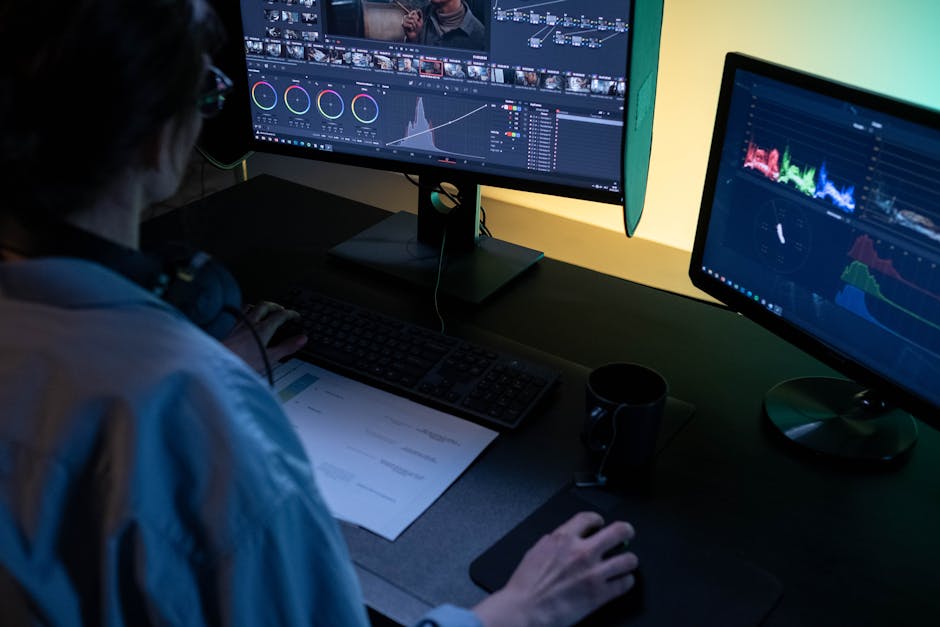
The shift toward remote video editing has accelerated dramatically over the past few years. According to a 2024 report from Grand View Research, the global video editing services market is expected to grow at 4.8% annually through 2030. That growth is driven largely by content creators, small businesses, and marketing teams who need professional results without hiring full-time staff.
Working with online editors offers flexibility that traditional hiring simply can’t match. You can find specialists for specific styles, whether that’s fast-paced YouTube content, cinematic wedding videos, or corporate training materials. You’re not limited to talent in your city, and you can scale up or down based on your project load.
The cost savings are significant too. Hiring a full-time in-house editor in the United States costs an average of $55,000 to $75,000 annually when you factor in benefits and equipment. A freelance editor or agency relationship might cost you $500 to $2,000 monthly for similar output, depending on your volume.
Where to Find Quality Video Editors for Hire
Freelance Marketplaces
Platforms like Upwork, Fiverr, and Freelancer remain popular starting points. Upwork alone claims over 12 million registered freelancers, with video editing being one of their fastest-growing categories. These platforms let you post jobs and receive proposals, or you can browse editor profiles directly.
The advantage here is variety. You’ll find editors at every price point and skill level. The downside is the time required to vet candidates. You might review 20 or 30 proposals before finding someone worth testing, and even then, quality can be inconsistent.
Specialized Video Editing Agencies
For creators who want reliable, consistent output without managing individual freelancers, agencies like Motion Edges offer a middle ground. You work with a team rather than a single person, which means faster turnaround times and backup if your primary editor is unavailable.
Agencies typically cost more than budget freelancers but less than premium individual editors. The trade-off is predictability. You know what you’re getting, and you don’t spend hours each month hunting for new talent.
Social Media and Creator Communities
Some of the best editors never post on traditional job sites. They’re active in Facebook groups, Discord servers, and subreddits dedicated to video production. Groups like r/VideoEditing and r/YouTubers often have editors sharing their work or responding to hiring posts.
This approach works well for finding editors who specialize in your niche. A gaming editor who hangs out in gaming creator communities will understand the style, pacing, and trends better than someone who primarily cuts corporate videos.
What to Look for When Hiring a Video Editor
Portfolio Over Promises
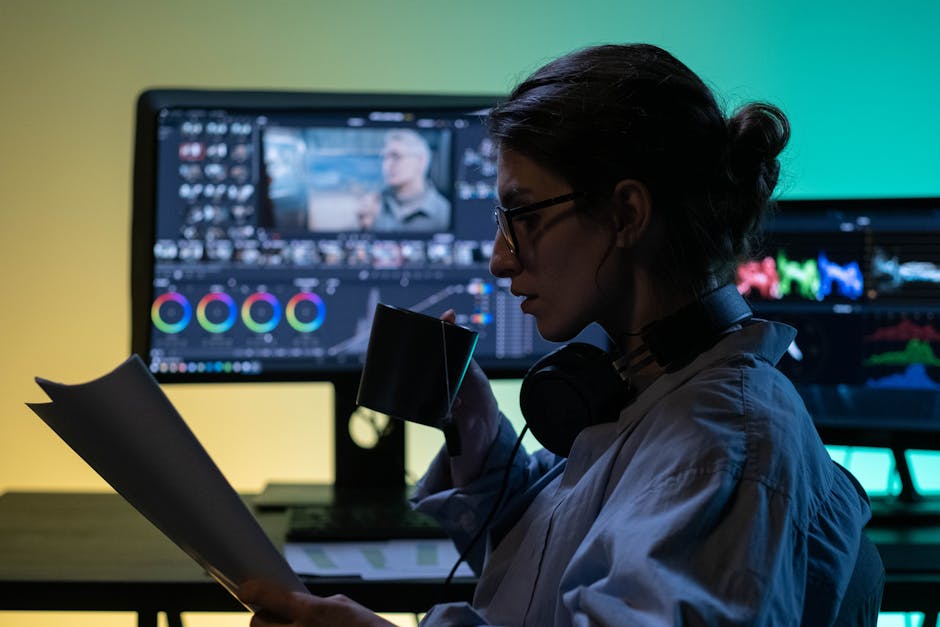
Every editor will tell you they’re talented. The portfolio shows you whether that’s true. Look for work that matches your style and complexity level. If you need fast-paced YouTube content with heavy motion graphics, an editor whose portfolio features slow documentary work probably isn’t the right fit.
Pay attention to pacing, transitions, audio quality, and color grading. These details separate amateur work from professional output. Ask for samples that specifically match what you need, not just their best highlights.
Communication Speed and Clarity
An editor’s response time during the hiring process usually predicts their responsiveness on actual projects. If they take three days to reply to your initial message, expect similar delays when you’re waiting for revisions.
Good editors ask clarifying questions. They want to understand your vision, audience, and goals before diving into a project. An editor who says “sure, I can do that” to everything without asking follow-up questions might not deliver what you actually want.
Technical Compatibility
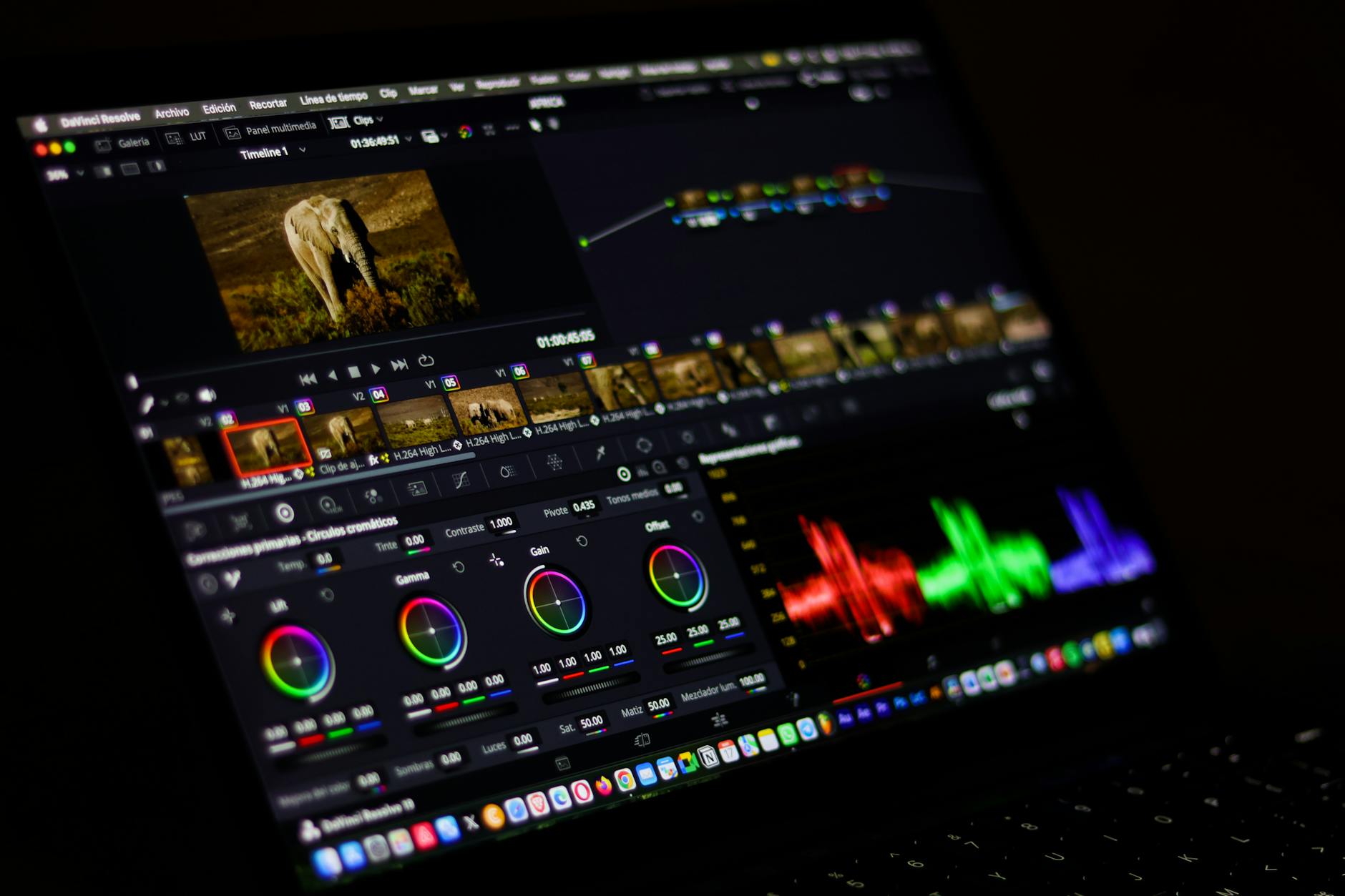
Make sure your editor uses software that produces the file formats you need. Most professional editors work in Adobe Premiere Pro, DaVinci Resolve, or Final Cut Pro. Confirm they can export at your required resolution, frame rate, and codec.
Discuss file transfer methods too. Large video files require solutions like Frame.io, Google Drive, or Dropbox. An editor who wants you to email them raw footage is probably not handling professional volumes.
Setting Up Your First Project for Success
Create a Clear Brief
The quality of your brief directly impacts the quality of your edits. Include specific details: video length target, tone and style, reference videos you like, any brand guidelines, and your deadline. The more information you provide upfront, the fewer revision rounds you’ll need.
Reference videos are particularly helpful. Instead of saying “I want it to feel energetic,” link to three videos that capture what you mean. This gives your editor a concrete target rather than an abstract concept.
Organize Your Assets
Editors work faster when your footage is organized. Label your files clearly, separate good takes from bad ones, and include any music, graphics, or other assets in dedicated folders. A messy handoff can add hours to your project timeline.
Include a shot list or notes if certain clips are must-use moments. Voice-over scripts should be timestamped. The goal is making your editor’s job easier, which translates directly into better results and faster delivery.
Discuss Revision Policies
Before work begins, clarify how many revision rounds are included and what constitutes a revision versus a new request. Most editors include one to three revision rounds in their base rate. Going beyond that typically costs extra.
Be specific in your feedback. “I don’t like it” doesn’t help anyone. “The pacing feels too slow in the intro, and the music doesn’t match the energy I’m going for” gives your editor practical direction.
Pricing Expectations When You Hire Video Editors Online
Budget freelancers on platforms like Fiverr start around $25 to $75 for basic edits. Mid-tier editors typically charge $50 to $150 per finished minute of video or $30 to $75 per hour. Premium editors and agencies can charge $200 or more per finished minute for complex work.
For YouTube content specifically, expect to pay $75 to $300 per video for standard 10 to 15 minute videos with cuts, transitions, basic graphics, and color correction. Heavy motion graphics, animation, or visual effects add to that cost significantly.
Monthly retainer arrangements often provide better value for consistent output. Video editing services that operate on subscription models can deliver multiple videos per month at rates that work out cheaper per video than one-off projects.
Red Flags to Avoid
Watch out for editors who overpromise on turnaround times. Quality editing takes time. Someone claiming they can deliver a polished 15-minute video in 24 hours is either cutting corners or planning to miss that deadline.
Be cautious of extremely low rates. If someone charges $10 for work that typically costs $100, there’s usually a reason. Common issues include poor audio mixing, jarring transitions, inconsistent color, or generic templates that don’t fit your brand.
Avoid editors who get defensive about feedback. The revision process is normal and necessary. An editor who argues with every suggestion or takes criticism personally will make your collaboration frustrating.
Making Your Decision
Start with a small paid test project before committing to ongoing work. A single video or short clip lets you evaluate quality, communication, and reliability without major risk. Pay for this test fairly. Asking for free samples is disrespectful to professional editors.
Trust your gut about the working relationship. Technical skill matters, but so does compatibility. An editor who understands your vision and communicates well will produce better results than someone technically brilliant who doesn’t get what you’re trying to achieve.
The right editor becomes a creative partner, not just a task executor. When you find that person or team, the investment pays off in content quality, time saved, and growth potential for whatever project you’re building.