- Why Corporate Video Production Matters More Than Ever
- Phase 1: Pre-Production , Where Great Corporate Videos Are Actually Made
- Phase 2: Production , Shooting Footage That Edits Well
- Phase 2: Post-Production , Where the Magic Happens
- Budgeting for Corporate Video Production
- Distribution: Getting Your Corporate Video Seen
- Corporate Video Production Guide: Key Takeaways
Corporate Video Production Guide: Everything Your Business Needs to Know in 2026
If you’ve landed on this corporate video production guide, chances are you already know that video is no longer optional for businesses , it’s the backbone of modern marketing. But knowing you need corporate video content and actually knowing how to produce it well are two very different things. Whether you’re a marketing manager briefing an agency, an entrepreneur filming your first brand story, or an in-house team handling everything end-to-end, this guide walks you through every stage of the process with the kind of practical detail that actually moves the needle.
At Motion Edges, we’ve worked on corporate video projects across industries , from SaaS product demos and financial services testimonials to pharmaceutical training videos and luxury brand campaigns. We’ve seen what separates forgettable corporate content from footage that genuinely drives results. Here’s what we know.
Why Corporate Video Production Matters More Than Ever
The corporate video landscape has shifted dramatically. Audiences have higher expectations, attention spans are shorter, and the bar for production quality has risen across every platform. A shaky, poorly lit interview recorded on a phone in 2018 might have been acceptable. In 2026, it actively damages your brand credibility.
But it’s not just about looking professional. Well-produced corporate videos:
- Increase landing page conversion rates by up to 80% when placed above the fold
- Improve email click-through rates by 200,300% when the word “video” appears in the subject line
- Build measurable trust with B2B buyers who watch product explainers before making purchasing decisions
- Reduce customer support costs through well-crafted onboarding and tutorial videos
The ROI is real , but only when the production is done right. That’s what this guide is built around.
Phase 1: Pre-Production , Where Great Corporate Videos Are Actually Made
Most businesses underestimate pre-production. They book a shoot day, show up with a rough idea of what they want, and then wonder why the final edit feels disjointed. The truth is that 60,70% of any successful corporate video is decided before a single camera rolls.
Define Your Objective First
Before you think about cameras, locations, or presenters, answer this: what do you want someone to do after watching this video? Every production decision that follows should serve that answer. A video designed to generate inbound leads has a completely different structure and tone than one designed to onboard new employees or win a pitch.
Common corporate video objectives include:
- Brand awareness , telling your company story in a compelling, shareable way
- Lead generation , explainer videos, product demos, and case study content
- Internal communications , training videos, CEO updates, and company culture content
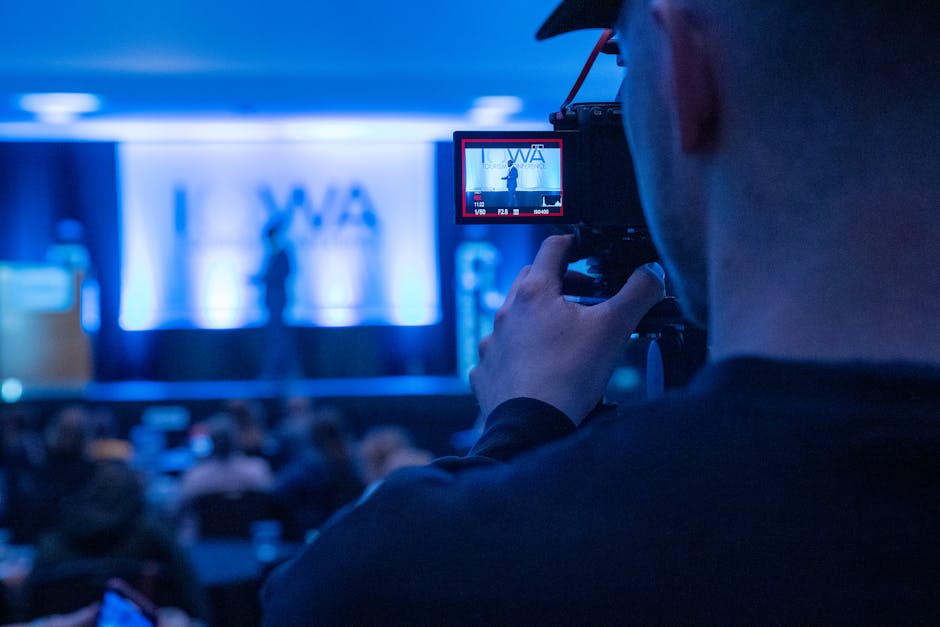
- Event coverage , conference highlights, keynote recordings, and product launches
- Investor relations , annual reports brought to life, funding announcements
Script and Storyboard Development
Once your objective is locked, build a script. For most corporate videos, a tightly written script is essential , even for interview-based formats where you’re not asking someone to memorise lines verbatim. A good script gives your shoot direction and ensures your editor has the material they need. If you’re working with motion graphics, a storyboard helps align everyone on the visual direction before production begins.
At Motion Edges, our team works with clients during pre-production to develop scripts and storyboards that are built for editing efficiency , which means fewer shoot days and faster turnarounds without sacrificing quality. You can explore how we approach this through our full suite of video services.
Location Scouting and Logistics
Corporate shoots rarely happen in ideal conditions. Offices have buzzing air conditioning units, fluorescent lighting that flatters no one, and open-plan layouts that kill audio quality. Scout your location in advance. Test the acoustics. Identify where natural light falls at the time of day you’re shooting. Plan for sound management , even if that means hiring a sound recordist separately.
Phase 2: Production , Shooting Footage That Edits Well
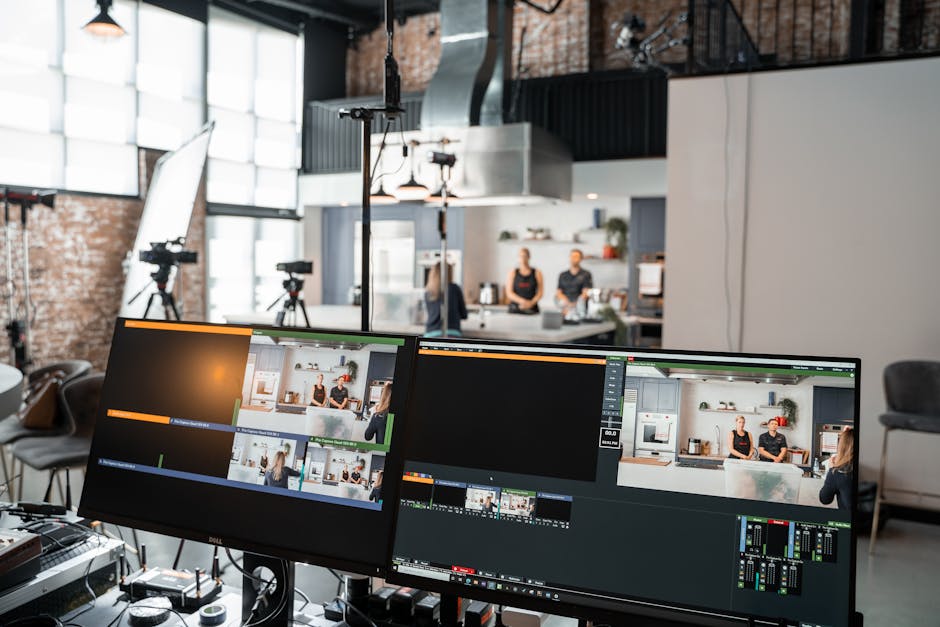
Good corporate video production isn’t just about capturing something that looks decent in the moment , it’s about shooting strategically for the edit. This distinction matters enormously and is something that experienced videographers think about constantly on set.
Camera, Lighting, and Audio Fundamentals
You don’t need a Hollywood budget to produce sharp, professional-looking corporate content. But you do need to get the basics right:
- Camera: A mirrorless camera like the Sony FX3 or a cinema camera like the BMPCC 6K gives you professional image quality without a broadcast-scale budget. Avoid shooting entirely on smartphones unless you have strong supplementary lighting and a stabiliser.
- Lighting: Three-point lighting (key, fill, and backlight) is the standard for interview setups. Soft, diffused light flatters subjects and gives footage a polished, broadcast-ready look. Harsh overhead lighting is the single biggest technical mistake we see in amateur corporate video.
- Audio: Poor audio kills good video faster than anything else. Use a lavalier microphone clipped close to your subject, or a boom mic positioned just outside frame. Never rely solely on camera-mounted mics for dialogue.
Shooting for the Edit
Brief your on-screen talent properly. For interview-based content, coach subjects to give complete sentences that can stand alone , answers that don’t begin with “yeah” or reference the question. Shoot B-roll generously: wide establishing shots, close-ups of products or environments, and cutaways that give your editor options. The more quality B-roll you capture, the more cinematic and dynamic your finished edit will feel.
Always shoot slightly more than you think you need. A two-minute finished video typically requires 30,60 minutes of raw footage to give an editor enough material to make confident choices.
Phase 2: Post-Production , Where the Magic Happens
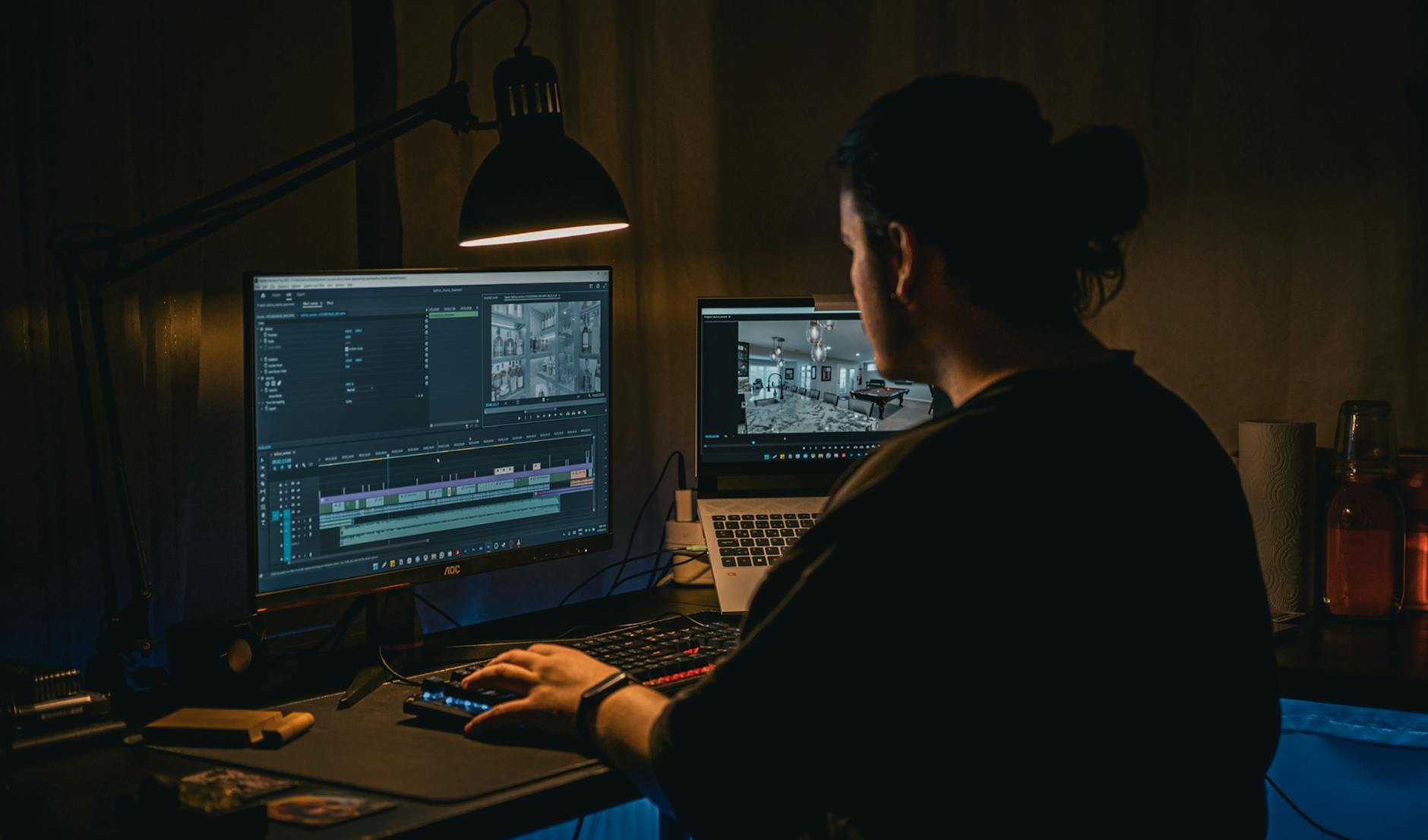
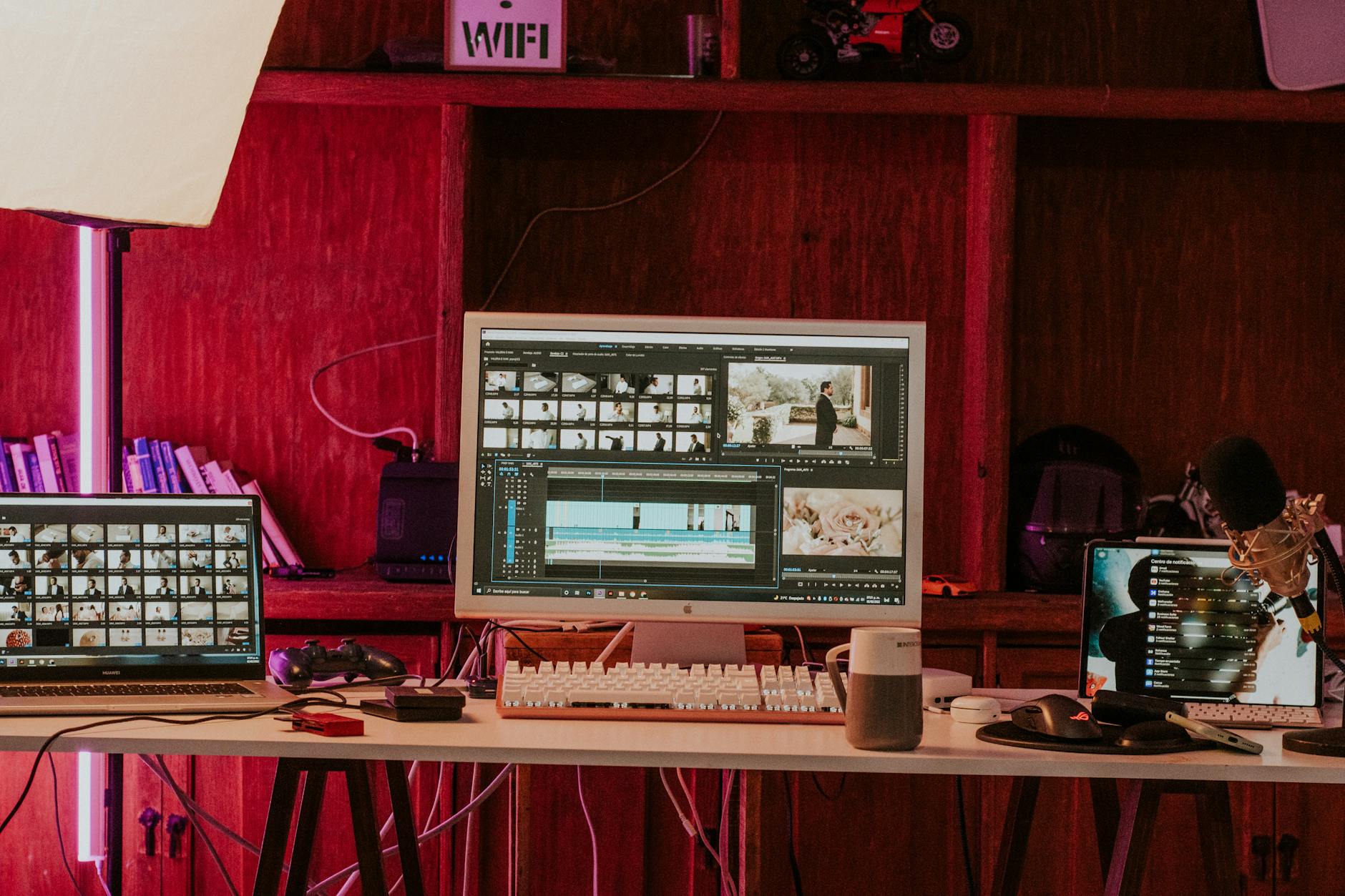
Post-production is where raw footage transforms into a polished, persuasive corporate video. This stage includes editing, colour grading, sound design, motion graphics, and final delivery , and it’s where expertise makes the most visible difference.
Video Editing Structure and Pacing
Corporate videos need to be tight. Every second on screen should earn its place. A common structure for promotional and brand videos is:
- Hook (0,10 seconds): Open with something visually arresting or a bold statement. Don’t start with your logo.
- Problem/Context (10,30 seconds): Establish what challenge or opportunity you’re addressing.
- Solution (30,90 seconds): Present your company, product, or service as the answer , with specifics, not vague claims.
- Social proof (90,120 seconds): Client testimonials, case study results, or industry recognition.
- Call to action (final 15 seconds): Clear, single instruction , visit a page, book a call, download a resource.
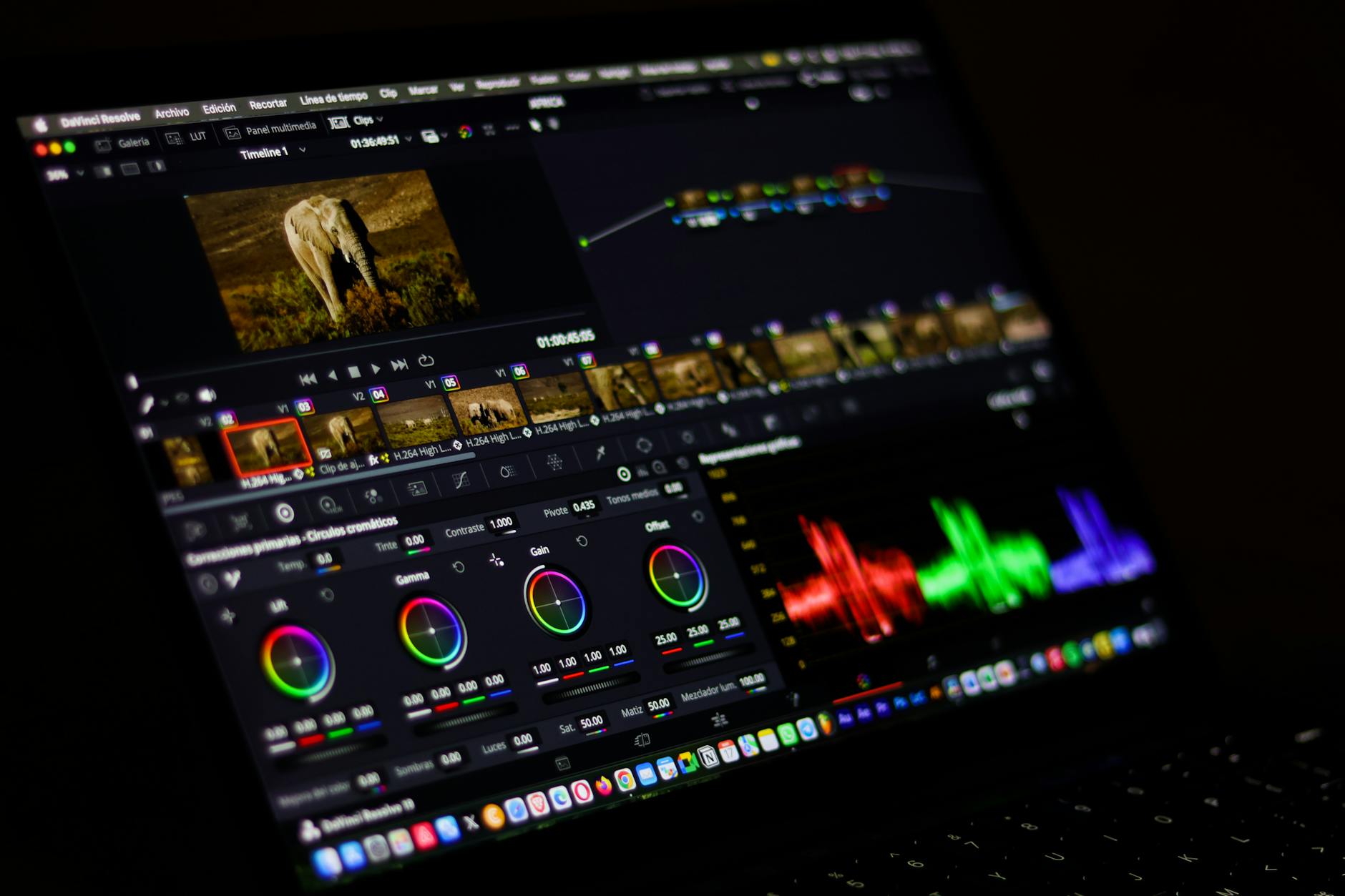
Colour Grading and Brand Consistency
Colour grading is often treated as an afterthought in corporate video production, but it’s one of the most powerful tools for reinforcing brand identity. Consistent colour treatment across your video library makes your content instantly recognisable and signals professionalism. If your brand uses a warm, earthy colour palette, your grade should reflect that. If you’re a tech company with a clean, high-contrast aesthetic, your footage should feel sharp and precise.
Motion Graphics and Lower Thirds
Branded lower thirds (name and title cards), animated logo reveals, and data visualisations are standard elements in professional corporate video. They should be templated and consistent across your video output. If you don’t have a brand motion design system, this is worth investing in once and using across all future productions. Our team at Motion Edges builds custom motion graphics packages for businesses that want cohesive, on-brand video content , take a look at our portfolio to see examples in action.
Sound Design and Music
The right music track changes everything. Background music sets emotional tone, maintains pace, and keeps viewers engaged between spoken sections. Use licensed music only , the copyright risk of using commercial tracks without a licence is not worth it. Platforms like Artlist, Musicbed, and Epidemic Sound offer high-quality royalty-free libraries with commercial licensing built in.
Budgeting for Corporate Video Production
One of the most common questions we get at Motion Edges is: how much should a corporate video cost? The honest answer is: it depends on what you’re trying to achieve. That said, here are realistic benchmarks for 2026:
- Basic interview/testimonial video: £1,500,£4,000
- Brand film or company overview: £5,000,£15,000
- High-production campaign video: £20,000+
- Post-production only (editing existing footage): From £500 depending on length and complexity
If you’re working with a fixed budget, investing more in post-production , specifically editing, grading, and sound design , typically delivers better returns than spending everything on an elaborate shoot day. You can view our transparent pricing page for a clearer sense of what Motion Edges offers at different budget levels.
Distribution: Getting Your Corporate Video Seen
Production is only half the equation. A brilliant corporate video that nobody watches doesn’t serve your business. Distribution strategy should be planned at the pre-production stage, not bolted on afterwards.
Key distribution channels for corporate video in 2026 include:
- LinkedIn: Native video consistently outperforms shared YouTube links on the platform. Upload directly for maximum organic reach.
- Website landing pages: Embed videos above the fold on high-traffic pages , this is particularly effective for product and services pages.
- Email campaigns: Use a video thumbnail with a play button graphic linked to the hosted video , animated GIF thumbnails drive significantly higher click rates.
- YouTube: Treat your YouTube channel as a search engine. Optimise titles, descriptions, and tags for discovery.
- Paid social: Short-form cuts (15,30 seconds) repurposed from your main video work well as paid ads across LinkedIn, Meta, and YouTube pre-roll.
Corporate Video Production Guide: Key Takeaways
If there’s one thing this corporate video production guide should leave you with, it’s this: the businesses that get the best results from video are the ones that treat it as a strategic asset, not a box-ticking exercise. Every decision , from the script structure to the colour grade to where the video lives on your website , should be deliberate and tied to a clear business objective.
Done well, corporate video production is one of the highest-leverage investments a business can make in 2026. Done poorly, it wastes budget and quietly undermines the professional credibility you’ve worked hard to build.
At Motion Edges, we specialise in taking the complexity out of corporate video , from pre-production planning through to final delivery and beyond. Whether you need a full-service production partner or a skilled post-production team to bring your existing footage to life, we’re built for exactly this kind of work.
Ready to start your next corporate video project? Get in touch with our team for a free consultation, or explore our corporate video services to see how we can help your business produce video content that actually performs.